🌌 Counterparts in Myth & Culture: The Eternal Story of Two
Across the ages, humanity has whispered the same story in countless tongues: the tale of counterparts.
From mountaintop temples to desert firesides, from painted cave walls to holy scriptures, the theme remains: two forces — different, opposite, and yet inseparable — shaping the world through their union.
Why does this story repeat? Because it is not just a myth about gods. It is a mirror of our inner lives, our relationships, and our manifestation journeys.
🔱 Shiva and Shakti — The Stillness and the Dance
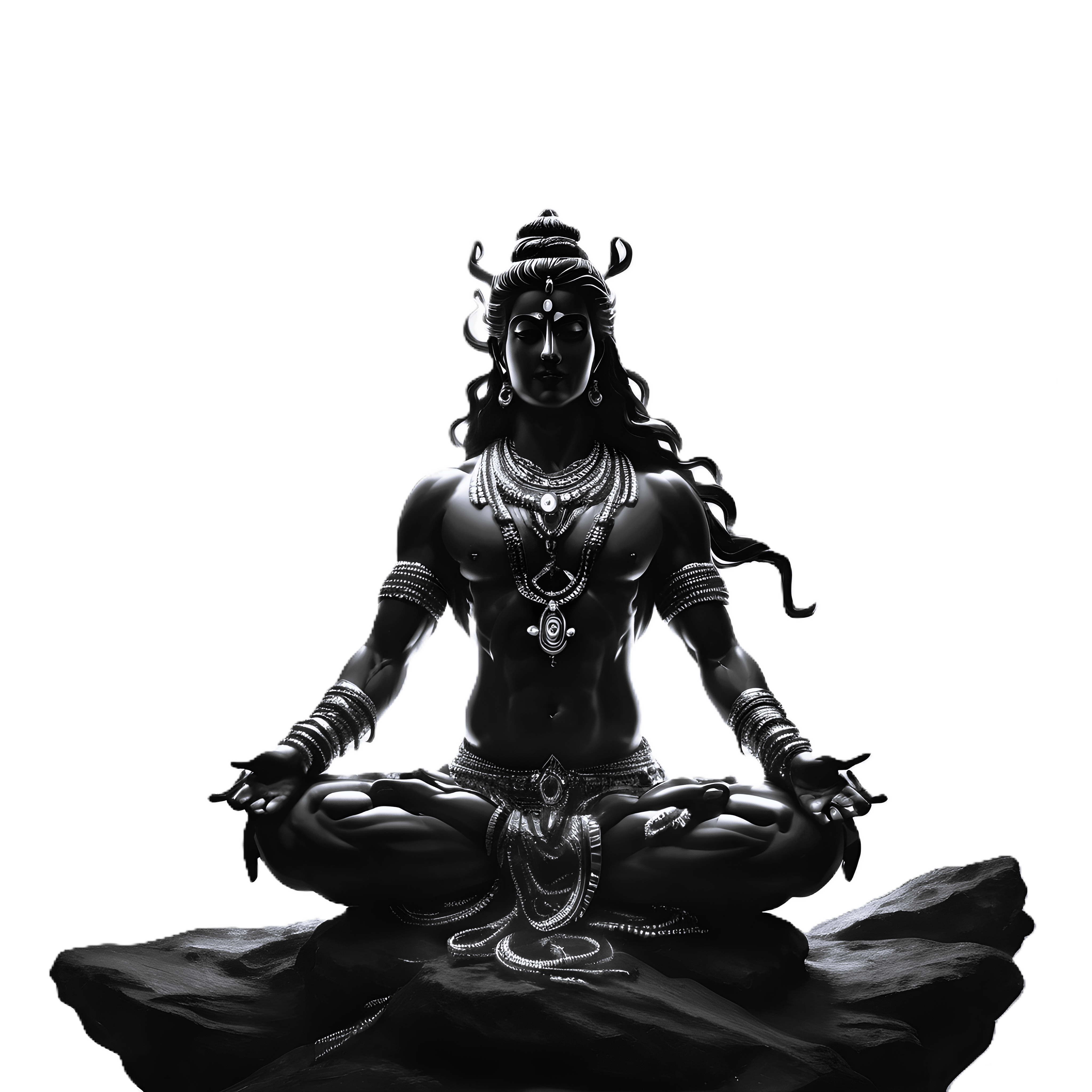
In Hindu cosmology, Shiva is pure consciousness — unmoving, formless, eternal. Yet alone, he is inert. Shakti, the feminine energy, is movement, creation, expression. Without her, he cannot act; without him, she has no ground.
Together, they create the cosmos. Every vibration of existence is born from their embrace.
☯️ Yin and Yang — The Cosmic Dance
In the Daoist tradition, the circle of yin and yang holds the secret of balance. Yin, the dark, feminine, receptive. Yang, the bright, masculine, active. Neither is whole without the other. Within each lies the seed of its opposite.
This is the reminder that no matter how polarized life feels, unity is hidden within division.
🌞🌙 Sun and Moon — The Eternal Lovers
Every civilization reveres the sun and moon as divine counterparts. The sun gives warmth, light, and growth. The moon reflects, cools, and governs the tides of emotion. Their cycle of chasing and retreating across the sky reflects the eternal play of pursuit and surrender.
The sun cannot be appreciated without the moon’s contrast. The moon cannot shine without the sun’s fire. Each exists to reveal the other.
⚖️ Hera and Zeus — Order and Power
The Greek pantheon tells of Zeus, king of the gods, and Hera, queen of Olympus. Their union is tumultuous, marked by jealousy, conflict, and passion — yet their throne is unshaken.
Their myth speaks to the human truth: counterparts are not always peaceful. The friction itself forges growth. Harmony is not the absence of conflict, but the ability to remain bound even through it.
🌌 Alchemical Marriage — Solve et Coagula
In Western alchemy, the “chemical wedding” symbolizes the merging of sun and moon, king and queen, sulfur and mercury. Their union births the philosopher’s stone — a metaphor for spiritual wholeness and ultimate transformation.
It is not about destroying opposites, but marrying them into a third, transcendent state.
🌠 Why These Myths Endure
Each culture tells the story differently, yet the pattern is the same:
- A duality exists.
- They clash, dance, or merge.
- From their union, new life, balance, or power is born.
This repetition is no accident. It is the language of the subconscious. These myths are blueprints of our own psyche.
When you strive to manifest, you are not just calling forth a desire. You are performing your own myth — marrying the active and receptive, the dream and the discipline, the fire and the water within you.
✨ Reflection Prompts: Step Into the Story
Take these myths as mirrors, not just tales. Ask yourself:
- Which counterpart myth resonates most with me — and why?
- What part of me plays the sun — the active, fiery giver?
- What part of me plays the moon — the reflective, receptive receiver?
- Where in my life do I experience friction between opposites, like Hera and Zeus — and what might that tension be trying to create?
- What would my “alchemical marriage” look like if I united my own inner opposites?
🌌 Closing Invocation
The myths remind us: opposites are not enemies. They are soulmates in disguise. When they meet, worlds are born.
And so the question echoes back to you:
What world are you ready to create when your own counterparts unite?