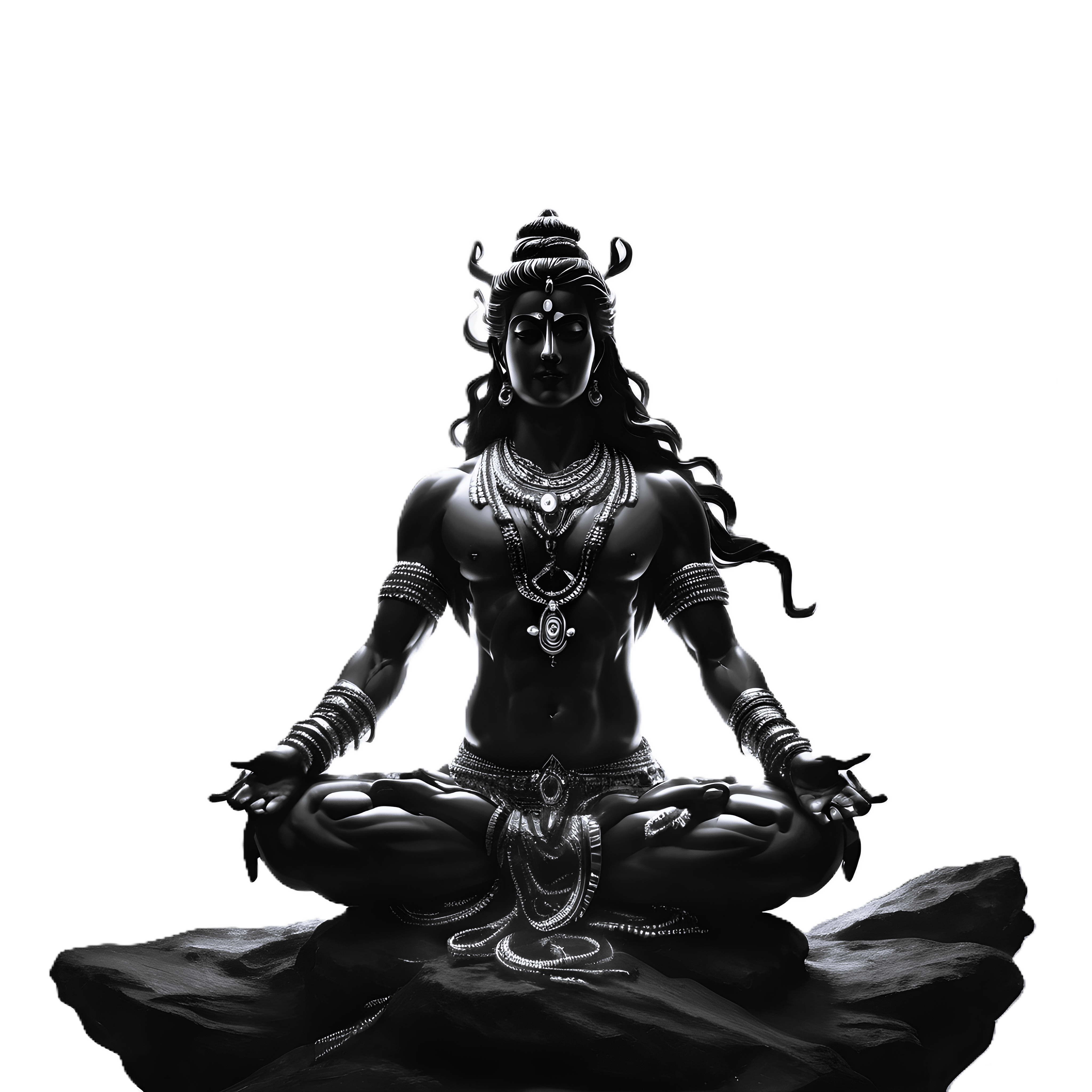
A Journey Through the Subtle Energy Centers
Human beings are not just physical organisms—they are also energetic systems, with invisible forces shaping health, consciousness, and experience. The ancient yogic tradition describes these energy vortices as chakras, a Sanskrit word meaning wheel or disk. Each chakra is both a psychological archetype and an energetic hub, influencing aspects of body, mind, and spirit.
Understanding the chakras provides a map of the inner world: how energy flows, how blockages manifest, and how higher states of consciousness can be cultivated.
What Are Chakras?
Chakras are said to be energy centers located along the subtle body—the energetic counterpart to the physical body. They are most often described as spinning wheels or lotus flowers, each vibrating at a specific frequency, and each associated with:
- Location in the body (e.g., base of the spine, heart, crown of the head)
- Color vibration (red through violet, like the spectrum of light)
- Elements (earth, water, fire, air, ether, and beyond)
- Psychological and spiritual themes (survival, desire, power, love, expression, intuition, transcendence)
When energy flows freely through the chakras, the individual is thought to experience vitality, clarity, and alignment with their higher self. When blocked or imbalanced, issues may arise—physical ailments, emotional struggles, or disconnection from one’s inner truth.
The Seven Primary Chakras
1. Root Chakra (Muladhara)
- Location: Base of the spine
- Color: Red
- Element: Earth
- Themes: Survival, stability, grounding, physical needs
- Balanced state: Security, trust, presence in the physical world
- Imbalance signs: Fear, anxiety, financial instability, feeling “unsafe”
The root chakra is the foundation. Like the roots of a tree, it anchors us into material existence. It is linked to instincts, primal energy, and the right to exist.
2. Sacral Chakra (Svadhisthana)
- Location: Lower abdomen, below the navel
- Color: Orange
- Element: Water
- Themes: Sensuality, creativity, emotions, pleasure
- Balanced state: Emotional fluidity, intimacy, joy in life
- Imbalance signs: Guilt, repression, addiction, creative blocks
The sacral chakra governs flow and desire. It is the seat of passion, creativity, and emotional intelligence—the right to feel.
3. Solar Plexus Chakra (Manipura)
- Location: Upper abdomen, around the stomach
- Color: Yellow
- Element: Fire
- Themes: Personal power, will, identity, self-esteem
- Balanced state: Confidence, motivation, healthy ego
- Imbalance signs: Low self-worth, aggression, domination, lack of direction
Here burns the inner fire—the force of transformation and autonomy. The solar plexus chakra empowers individuality and the right to act.
4. Heart Chakra (Anahata)
- Location: Center of the chest
- Color: Green (sometimes pink)
- Element: Air
- Themes: Love, compassion, connection, forgiveness
- Balanced state: Harmony, empathy, unconditional love
- Imbalance signs: Loneliness, bitterness, codependency, isolation
The heart chakra is the bridge between lower, personal energies and higher, transpersonal states. It governs the right to love.
5. Throat Chakra (Vishuddha)
- Location: Throat region
- Color: Blue
- Element: Ether (space)
- Themes: Expression, communication, authenticity
- Balanced state: Clear speech, honest self-expression, listening
- Imbalance signs: Silence, lies, fear of judgment, misuse of words
This chakra gives voice to truth. It reflects the right to speak and be heard.
6. Third Eye Chakra (Ajna)
- Location: Between the eyebrows
- Color: Indigo
- Element: Light
- Themes: Intuition, insight, imagination, perception
- Balanced state: Wisdom, clarity, inner knowing
- Imbalance signs: Confusion, delusion, rigid thinking, disconnection from intuition
The third eye represents vision beyond the physical—it opens the right to see.
7. Crown Chakra (Sahasrara)
- Location: Top of the head
- Color: Violet or white
- Element: Beyond elements (pure consciousness)
- Themes: Spiritual connection, transcendence, enlightenment
- Balanced state: Bliss, unity, connection with the divine
- Imbalance signs: Spiritual disconnection, existential depression, dogma
The crown chakra is the lotus that blossoms into universal awareness—the right to know.
Chakras Beyond the Seven
Some traditions describe additional chakras beyond the major seven:
- Earth Star Chakra (below the feet) – grounding with Earth’s core
- Soul Star Chakra (above the crown) – gateway to higher dimensions
- Heart Seed & Higher Heart – subtle layers of love and divine communication
These extend the chakra map, integrating cosmic energies with human evolution.
Balancing the Chakras
Balance is not about perfection but fluidity. Energy centers shift constantly with life’s challenges and growth. Common practices for chakra balancing include:
- Meditation & Visualization (imagining light and colors at each center)
- Mantras & Sound Healing (each chakra resonates with syllables and tones, e.g., LAM for root, OM for crown)
- Breathwork (Pranayama) (different rhythms energize or calm chakras)
- Yoga Asanas (poses correspond to specific chakras)
- Crystals, Oils, and Herbs (energetic allies for alignment)
- Affirmations (“I am safe,” “I express my truth,” etc.)
- Shadow Work (confronting subconscious blockages linked to each chakra)
Chakras as a Map of Human Development
The chakra system can also be viewed as a ladder of growth:
- Root – Infancy: learning survival and safety
- Sacral – Childhood: pleasure, creativity, identity in relation to others
- Solar Plexus – Adolescence: independence, self-power
- Heart – Young adulthood: relationships, empathy, compassion
- Throat – Maturity: purpose, communication, personal truth
- Third Eye – Wisdom years: perspective, intuition, insight
- Crown – Transcendence: connection to universal consciousness
This makes the chakras not only mystical but also deeply psychological, aligning spiritual symbolism with human development stages.
The Chakras in Modern Perspective
While chakras originate in Indian yogic texts like the Upanishads and Tantras, they’ve also been reinterpreted in psychology, energy healing, and metaphysics. Carl Jung linked chakras to archetypes of individuation, while contemporary energy medicine sees them as fields of resonance affecting health and behavior.
Today, chakras act as a bridge:
- Between science and spirituality
- Between body and mind
- Between the individual and the cosmos
Closing Thoughts
The chakra system is both a map and a mirror. It shows us where energy flows freely and where it becomes stuck, guiding us toward integration. By exploring each chakra, we learn not only about spiritual anatomy but also about ourselves—our wounds, our desires, our capacity for love, and our potential for transcendence.
Ultimately, the chakras invite us to live as whole beings—grounded yet expansive, individual yet connected to the infinite.