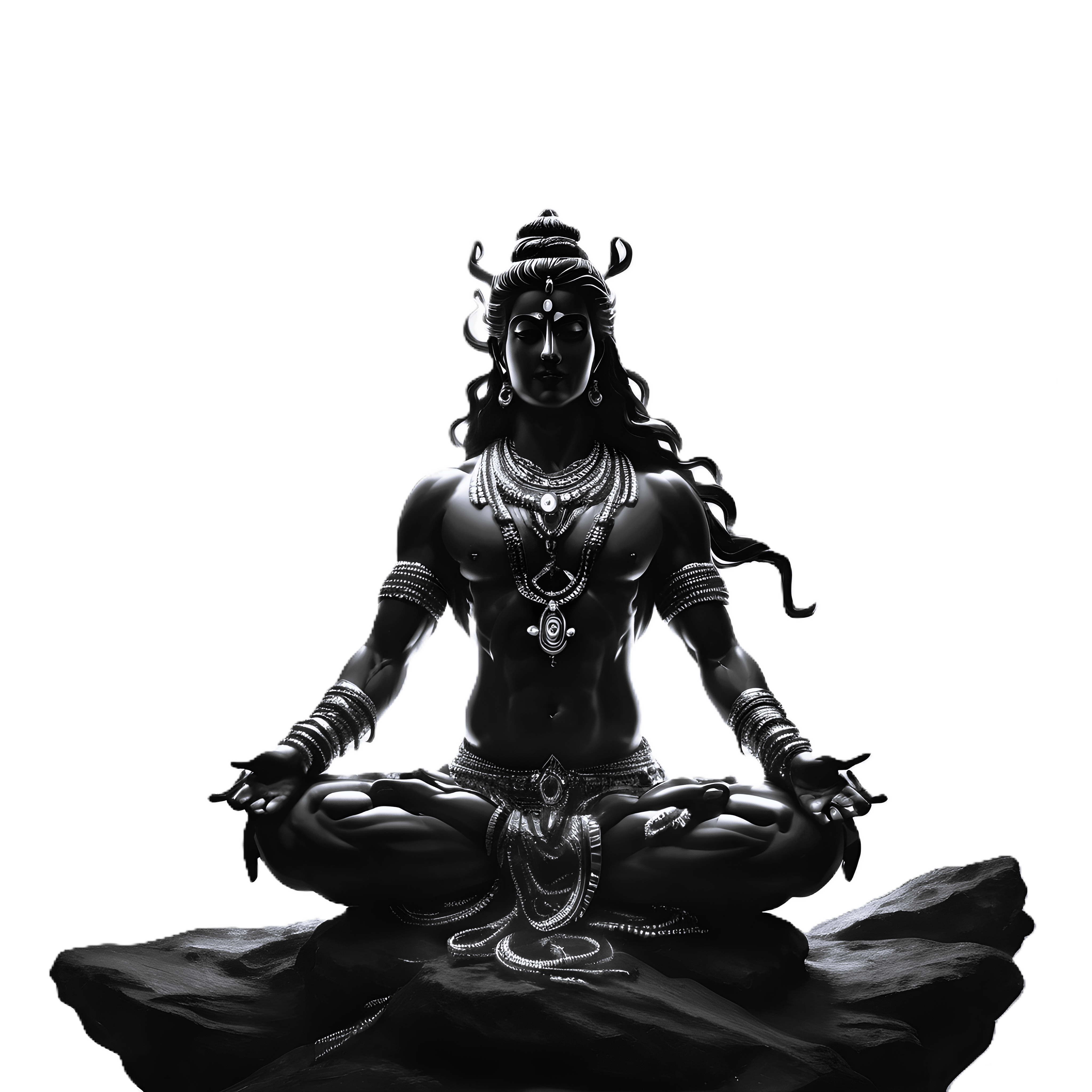
Let’s be honest — the mind is a drama queen.
It doesn’t just think; it performs. It hosts late-night talk shows of regret, daytime soap operas of anxiety, and entire cinematic universes of “what ifs.” And yet, every mystic from here to the Himalayas keeps saying the same thing: Be still.
Easier said than done.
Stillness sounds simple until you try it. Then you realize your brain has more tabs open than a conspiracy theorist on caffeine.
So, let’s go beyond the usual “breathe and relax” advice. Let’s explore the advanced, slightly rebellious, and deeply effective methods to train the mind into stillness — the kind that feels less like a struggle and more like taming a wild dragon into a serene, purring guardian.
🧠 1. The “Observer Bootcamp”: Becoming the Paparazzi of Your Thoughts
Most people try to shut down the mind. Big mistake.
You can’t outshout a toddler throwing a tantrum — and your thoughts are toddlers.
Instead, grab your mental camera and start observing. Every time a thought arises, don’t analyze it. Don’t push it away. Just snap a mental picture: “Ah, the ‘I should be doing more’ thought again — classic.”
You’re not the thought — you’re the one noticing it.
And the more you notice without reacting, the quieter the thoughts become.
Why? Because attention without drama starves the ego of its favorite meal: emotional energy.
Advanced tip: Try labeling your thoughts like wildlife sightings.
“Oh look, a rare ‘revenge fantasy’ in its natural habitat.”
“Ah, the ‘existential dread at 2 a.m.’ — majestic creature.”
Humor deflates mental intensity faster than discipline ever could.
🌀 2. Sensory Flooding: Outsmarting the Noise with More Noise
Here’s a paradox: sometimes you find stillness not by muting the mind but by overwhelming it — gracefully.
Sit somewhere quiet and start noticing everything sensory:
the hum of the air conditioner, the weight of your clothes, the flicker of light behind your eyelids, your heartbeat echoing in your ribs.
Feel it all at once.
At first, it feels chaotic. Then, something magical happens — the mind gives up trying to manage it all. The moment it surrenders control, stillness seeps in.
It’s like the mental version of trying to juggle too many balls — the only solution is to drop them.
🪞 3. The Mirror Mind Technique: Staring at Your Own Awareness
Here’s a truly advanced method, simple but not for the faint of ego.
Sit comfortably and close your eyes. Now, instead of focusing on your breath or a mantra, ask yourself:
“What is aware of this experience right now?”
Keep returning to that question.
Eventually, your mind short-circuits — in the best way. You stop trying to “find” awareness because you realize you’re already it. That moment when the seeker and the sought collapse into one? That’s not silence; it’s existence itself humming quietly.
Stillness isn’t something you achieve; it’s what’s left when you stop looking elsewhere.
💫 4. The “Reverse To-Do List” Meditation
Your mind is addicted to doing. So, let’s trick it.
Write a “Reverse To-Do List” — things you will not do today.
- Not solve every problem before breakfast.
- Not predict how every conversation will go.
- Not fix imaginary versions of people.
Now sit with that list. Let the rebellious satisfaction of not doing sink in.
It’s shocking how peaceful the mind becomes when it realizes it doesn’t have to micromanage the universe for five minutes.
🔮 5. The Hologram Collapse
Here’s one for the metaphysically inclined (which, let’s be real, you probably are if you’re reading this).
Imagine every thought, every emotion, every desire as part of a holographic projection — all light, no substance.
Each time a thought arises, visualize it as a ripple of light returning to its source.
You don’t push it away; you simply recognize it as made of the same stuff as awareness itself.
Soon, the boundary between thinker and thought blurs. The projector (you) realizes it’s been watching its own movie all along. The hologram collapses — and what remains is infinite stillness disguised as you.
🪷 Final Thought: Stillness Is Not the Absence of Thought
It’s the absence of resistance to thought.
It’s laughing at the absurdity of your mental soap opera and realizing you’re both the actor and the audience.
Stillness isn’t fragile; it’s ferociously alive. It’s not about escaping the world — it’s about seeing through it.
The mind will resist, of course. It’s been the main character for years. But keep showing up, keep observing, keep collapsing the hologram — and one day you’ll realize something quietly astonishing:
You never had to train the mind into stillness.
You just had to remember that you were still all along.