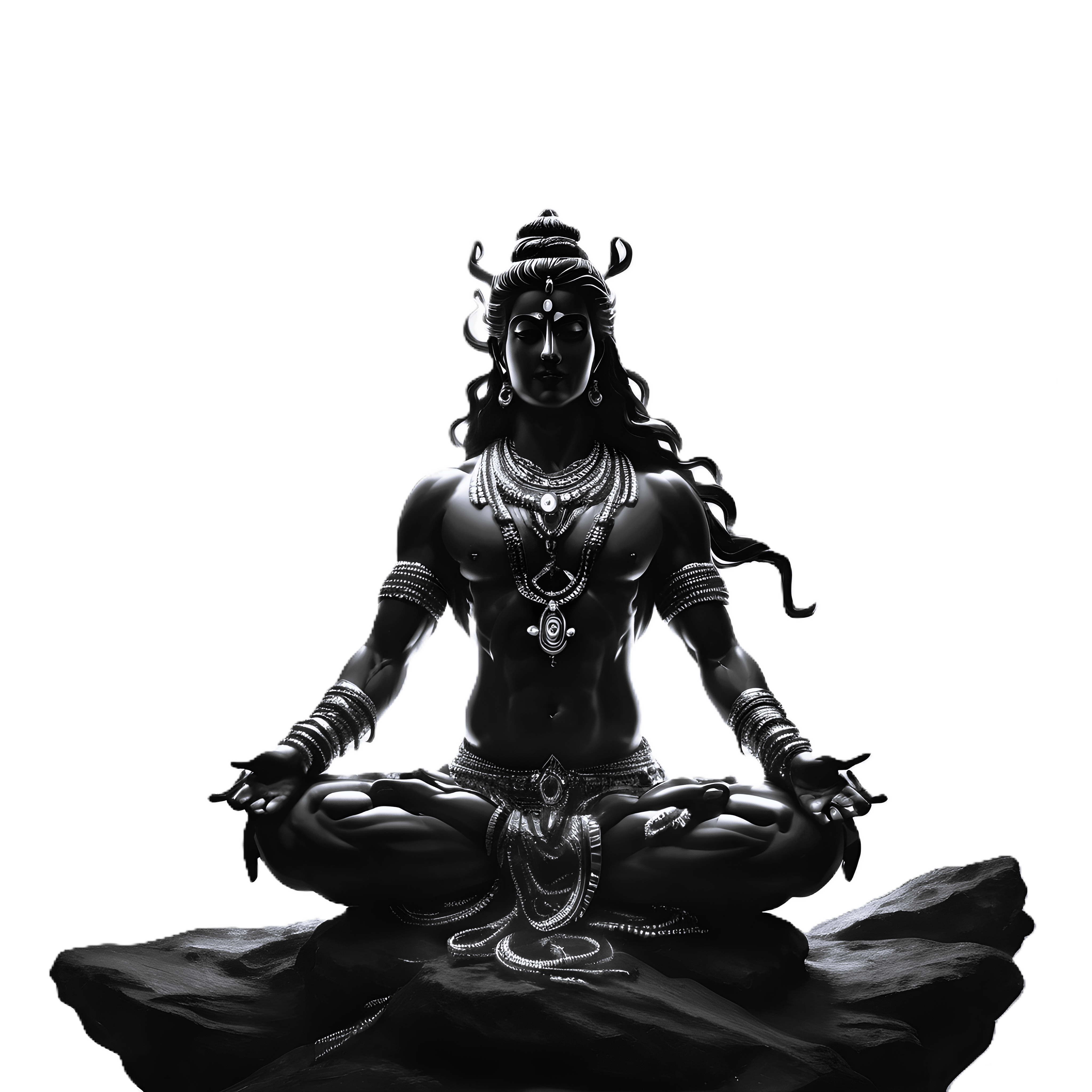
Root Chakra (Muladhara): The Foundation of Existence
The Root Chakra, known as Muladhara in Sanskrit, is the first of the seven primary energy centres in the human system. Its name translates as “root support”, and like the roots of a tree, it anchors us into life. It governs our primal needs—safety, stability, and survival—and is the foundation upon which all higher growth rests.
When balanced, Muladhara gives us the courage to face challenges, the endurance to withstand trials, and the ability to stand firmly in the present moment. When blocked or imbalanced, it can leave us feeling fearful, insecure, and disconnected from life itself.
Location & Symbolism
- Location: Base of the spine, perineum region
- Color: Deep red, symbolizing vitality, blood, and primal life force
- Element: Earth – solid, grounding, dense, dependable
- Seed Mantra (Bija): LAM
- Symbol: A four-petaled lotus, often containing a square (stability) and downward-pointing triangle (grounding energy)
The symbolism of Muladhara emphasizes stability and rootedness. Its downward triangle signifies grounding energy into the material world, while the square reflects structure, order, and endurance.
Themes of the Root Chakra
Muladhara’s core themes revolve around the right to exist:
- Survival & Safety: Food, water, shelter, health, financial security
- Grounding: Feeling stable in one’s body, environment, and circumstances
- Belonging: Connection to family, tribe, ancestry, and cultural roots
- Trust in Life: A deep inner knowing that life supports you
- Presence: Living in the here and now rather than being swept away by fear
A healthy Root Chakra is like fertile soil—it provides nourishment and stability for everything else to flourish.
Psychological & Emotional Dimensions
- Balanced Muladhara: Confidence in meeting basic needs, groundedness, security, calmness in uncertainty, healthy boundaries, resilience
- Imbalance (Deficiency): Anxiety, chronic fear, restlessness, financial insecurity, disconnection from body, dissociation
- Imbalance (Excess): Greed, material obsession, over-attachment, rigidity, hoarding, resistance to change
The root is shaped in early childhood. Experiences of neglect, trauma, or instability during this stage can leave imprints of fear and survival anxiety that echo throughout life. Healing the root chakra often involves re-parenting oneself, cultivating safety internally, and reconnecting with the body.
Physical Associations
- Organs: Legs, feet, bones, large intestine, adrenal glands
- Physical imbalances: Lower back pain, fatigue, elimination issues, immune weakness, weight problems
- Energy expression: Vitality, stamina, instinctual survival drive
Since Muladhara is tied to the body’s foundation, its imbalance often shows in physical ailments related to stability and support.
Practices to Balance Muladhara
1. Grounding Practices
- Walking barefoot on earth (“earthing”)
- Spending time in nature
- Mindful walking or standing meditations
2. Movement & Yoga
- Root-focused poses: Mountain (Tadasana), Warrior I & II, Tree Pose, Malasana (squat)
- Rhythmic, grounding exercises (martial arts, dance, running)
3. Breathwork & Mantras
- Chanting LAM to activate Muladhara’s vibration
- Deep, slow diaphragmatic breathing to anchor energy
4. Visualization & Meditation
- Visualize a glowing red sphere at the base of the spine
- Imagine roots extending from your body into the earth, drawing nourishment and stability
5. Lifestyle & Nutrition
- Eating grounding foods: root vegetables (beets, carrots, potatoes), proteins, red-colored foods
- Building routines that create a sense of order and stability
6. Affirmations
- “I am safe.”
- “I trust the process of life.”
- “I am rooted, stable, and secure.”
Spiritual Dimension
The Root Chakra is more than survival—it is existence itself. It teaches us that life, in its rawest form, is sacred. By learning to honor the body, care for our needs, and trust in life’s unfolding, Muladhara becomes not a prison of survival but a gateway to freedom.
Spiritual growth cannot bypass Muladhara. Attempting to ascend into higher chakras without grounding leads to instability—like building a tower without a foundation. Rootedness ensures that higher consciousness can manifest in tangible, embodied ways.
Shadow of Muladhara
The shadow of the Root Chakra is fear. Fear is necessary for survival—it warns us of danger—but when it dominates, it distorts perception. Excessive fear keeps us trapped in survival mode, unable to expand into creativity, love, and higher awareness.
Healing the shadow involves recognizing fear without letting it govern life, and transforming it into trust and stability.
Archetypes of the Root Chakra
- The Grounded One (Balanced): Stable, dependable, connected to body and earth, secure in identity
- The Victim (Deficient): Feels unsafe, powerless, controlled by fear and insecurity
- The Survivor (Excess): Over-attached to possessions or routines, prioritizes safety above growth
Muladhara is the soil in which the seed of consciousness is planted. By tending to this foundation—through grounding, trust, and care—we create the conditions for the higher chakras to flourish.
Balancing the Root Chakra doesn’t mean erasing fear but learning to coexist with it, transforming survival into stability, and stability into freedom.
Like the roots of a tree hidden underground, Muladhara quietly sustains life. Strong roots make for tall trees, and a grounded root chakra makes for an expansive, awakened being.